
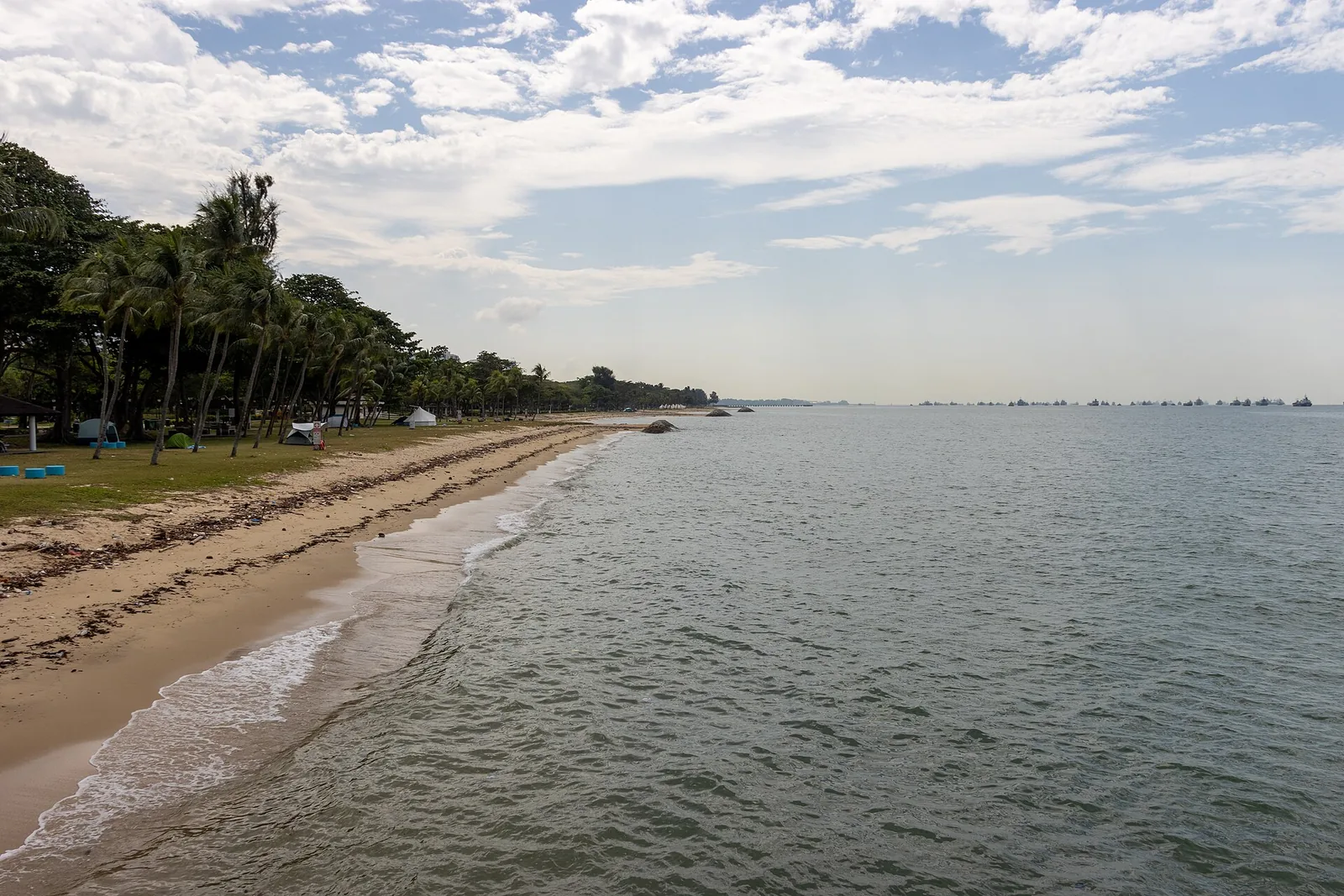
Which East Coast Park area should you use?
| Area | Landmark | Plan around |
|---|---|---|
| B | Coastal PlayGrove | Family outing with an outdoor play tower, water play and nature play. Check feature-specific hours and age guidance before promising a child a particular attraction. |
| C | Marine Cove | Playground and nearby food. Set a facility-specific meet-up point because Area C has multiple carparks. |
| D | Cyclist Park, near D3 | Practise in the dedicated loop areas or use the park’s paths for a coastal ride. Check suitable skill level and route restrictions. |
| E | East Coast Lagoon Food Village | Make the food centre the endpoint of a ride or a standalone meal. Each stall has its own hours. |
| F | Xtreme Skatepark | Skateboarding, inline skating and BMX. This is a separate stop from Cyclist Park. |
Getting in and choosing a route out
Open the NParks area map before choosing any transport. Coastal PlayGrove, Marine Cove and the food village have different approaches. Plug the facility name into your trip planner, then check the final crossing or underpass on the park map. For Cyclist Park, NParks lists the D3 underpass from Mandarin Gardens and the Siglap Park Connector approaches.
With children: anchor the visit at one play area and add a short promenade loop if you have time. By bicycle: choose one destination and confirm the rental return rules. A round trip brings you back to the same shop, while a one-way hire depends on the operator and the two locations. The Eastern Coastal Loop and Round Island Route also run through the park. Check connector works before using the park as just one leg of a longer ride.
Path works through November 2026
NParks lists a section of footpath at Area D closed through . It lists the path towards Carpark C4 narrowed or unavailable for widening works through 21 November. Follow the signs and use the current park notices if you need a particular step-free approach.
Park access, play rules and bookings
The grounds are open around the clock, though rental shops, food stalls, playground features and individual facilities can have separate hours. NParks lists marked barbecue and camping arrangements by area. Confirm the permit or booking before bringing equipment or organising a group. If swimming or exploring intertidal areas, check NParks’ notices and beach signs on the day.
Plan a cycle that ends near your next stop
Look at the NParks park map with the cyclist in your group who has the least endurance. If that person is learning, begin at the Cyclist Park’s beginner circuit near the D4 carpark. Keep the first cycle self-contained and add a promenade leg only after checking where you will eat, get picked up or return a hired bicycle.
Ask the rental shop about the return outlet, last return and the price if you run over. A simple rule for an out-and-back is to turn around before half the hire window. Leave extra time for a break or a slower return after the group has been riding in the heat.
If your group is arriving by different routes
Share the name of a specific car park, pit or venue from the park map. People coming by road and bicycle can both use it as an endpoint. For a barbecue, send the pit number and its nearest car park, then give a separate fallback for anyone who needs to sit out the ride.
Compare play areas by age and access
Coastal PlayGrove for older children and water play. In Area B, NParks’ Coastal PlayGrove page gives separate guidance for the tower’s Vertical Challenge, water play and nature play. It puts the Vertical Challenge at age 13 and up, water play at ages 5–12 and the nature section at ages 3–12. NParks describes the water play area as wheelchair accessible and lists a nearby toilet for changing. Check the route from your drop-off to that facility if a kerb or a slope affects the outing.
The water session is subject to feature hours. NParks publishes 8am to 8pm Tuesday to Sunday and on Monday public holidays, with maintenance moved to Tuesday in those holiday weeks. The tower follows its distinct schedule. Read the posted equipment rules and start with the part that clearly fits the youngest child. Take dry clothing and give the group a meeting place outside the water.
Marine Cove for dry play before a meal. NParks puts Marine Cove at 1000 East Coast Parkway in Area C. Its equipment includes a lighthouse-inspired tower, balancing and climbing features, and an accessible swing with a harness. Choose Marine Cove if your group wants a dry play session and a meal at the same stop. If several adults are meeting you, tell them you are at Marine Cove Playground. Someone headed to Coastal PlayGrove has a different carpark and walk.
With mixed ages. Start near the youngest child’s equipment and arrange a time and place to regroup with the climber. An adult who wants to take a quiet promenade walk can join after the first stop. For a backup on a very wet day, use our free indoor play guide and choose a venue the family can reach without walking a long exposed section.
Choose a cycle by skill and return point
NParks describes two Area D circuits. The 280 m learner circuit uses gentler slopes and a basic BMX trail. The 500 m advanced circuit includes uneven features, a narrow bridge and slalom-style obstacles. Someone learning to balance or brake should practise where the terrain suits them. Experienced cyclists can choose the dedicated circuit when it meets their skills and published rules. The park also has a nature play area with a sand pit and log features if someone in the family needs an activity while others ride.
For a hire-based ride, decide where the bike goes back before taking the coastal path. One simple route is to choose a short return leg around your area. A longer ride can take one side of the group towards the lagoon while others meet them at the named entrance. If you have novice riders, agree to turn around while they are still comfortable. Keep food and photo breaks out of your final return buffer. Check the rental outlet’s terms before relying on a return at a different branch.
For a connector outing beyond the park, compare your actual route with the NParks Eastern Coastal Loop and its current notices. The route on a map covers different surfaces and junctions. Pick one point where you can shorten the ride. Pass pedestrians with room, slow at blind bends and follow the path markings. Stop to check navigation where the cycling lane is clear.
Build a half-day plan around one area
| Your plan | Anchor and route | When to shorten it |
|---|---|---|
| Preschooler and lunch | Meet at Marine Cove. Play nearby, eat there and add a short seafront walk if everyone wants it. | Take a break once the play equipment heats up or children are tiring. Keep the carpark or public transport route close. |
| Cycling skills first | Use Cyclist Park at Area D for a practice session. Add a short ride with one turnaround after checking the time. | Stay at the circuits if the rest of the group would need to push a bike on the longer path. |
| Cyclists and non-cyclists at dinner | Meet at East Coast Lagoon Food Village. Agree on a food centre entrance. | Choose a food-only visit when rain, closures or bike return times make an extra ride impractical. |
| Barbecue group | Send the pit number, carpark and a path from the drop-off. Arrange equipment and permits before arrival. | Use an alternative meal if the booked plan depends on dry conditions and the group has limited shelter. |
Map food and toilets separately from play equipment. A car park can be close to a destination on the map while the family still needs an underpass or signed crossing from the landward side. When arriving by local bus or train, check where the last crossing is on the NParks area map. Make the beach an optional leg if part of the group needs a short, firm-surfaced route.
Swimming, camping and barbecue plans use separate checks
For a park visit with young children near the water, read the signs for the actual beach before setting up. Choose a public spot well back from the edge for a picnic and have one adult supervise any child approaching the shore. A water-play facility with published age guidance is a different option from sea swimming. Check for closures and follow any instructions about water conditions from park staff.
The NParks activities listing shows designated camping and barbecue options. Reserve the required permit or pit and check the correct time and area before collecting supplies. The adults doing the setup and the children coming later can use different arrival routes if they share the same pit number and entrance. Arrange how equipment will be removed at the end, especially if your ride home uses a bus or several people came by bicycle.
If your group mainly wants to use the beach, choose a time with a quick route back to shelter and tell everyone where they will meet if the plan changes. Check Park Connector notices when the trip depends on a specific underpass or continuation. For a first visit, the closest area that has the activity you want is often the simplest one to reach.
Sources
- NParks East Coast Park visitor guideOpening hours, area amenities, rules and temporary works.
- NParks East Coast Park mapArea letters, carparks and facility locations.
- NParks Cyclist ParkArea D approaches and riding facilities.
- NParks Marine Cove PlaygroundPlayground and location guidance.
- NParks Park Connector noticesArea access and diversions beyond the promenade.
- NParks Coastal PlayGrove visitor guideTower, water, nature play age guidance and hours
- NParks Eastern Coastal LoopConnector route planning
- NParks East Coast Park activitiesCamping and barbecue zones and conditions