
Three international gateways solve different journeys
| Arrival gateway | Best starting itinerary | First transport decision |
|---|---|---|
| Seoul Incheon (ICN) | Seoul, a northern trip or an onward visit by rail | Choose AREX, a local airport bus or a road transfer for your actual address. |
| Busan Gimhae (PUS) | Busan, the southeast or a trip that starts on the south coast | Choose the light-rail and metro interchange, or a road ride. |
| Jeju (CJU) | Jeju City, Jungmun or a coastal island trip | Check nonstop dates and the resort bus, car hire or pickup. |
| Seoul Gimpo (GMP) | A mainland domestic flight, including Jeju services | Verify every terminal and allow time for a separate transfer from Incheon. |
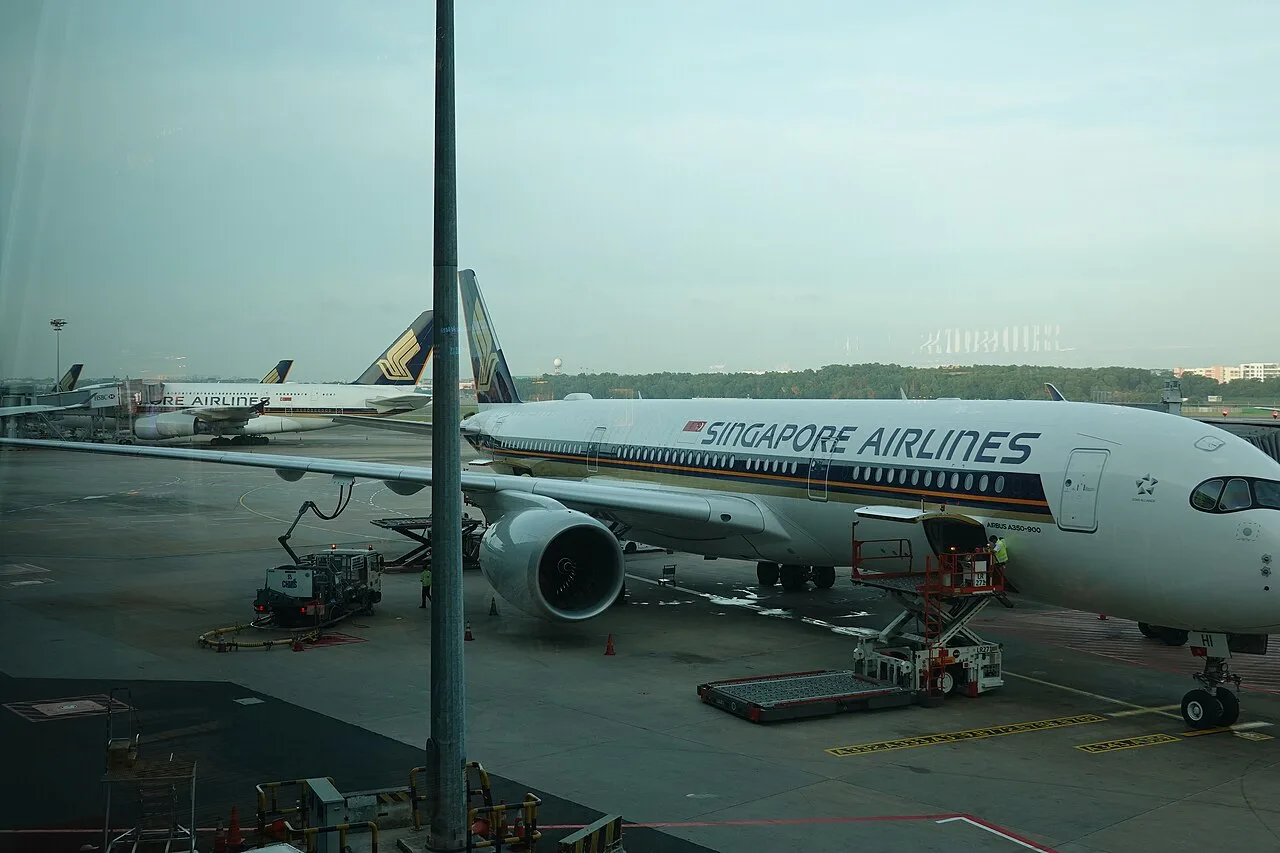
The Singapore Airlines Korea route guide gives the Seoul and Busan service options and typical times. The Scoot Jeju page gives the typical Jeju flight time. Date-specific bookings show the actual departure time, elapsed duration and operator. A difference of twenty minutes in the air rarely settles the choice when one option adds a cross-country rail ticket or changes the place you arrive.
Price a northern and southern mainland route in both directions
For a trip to Seoul and Busan, put one stop at each end of a multi-city search. Compare that with both possible round trips and the return ride to the first airport. The multi-city option can cost more on the booking screen while saving a rail leg or a hotel near the airport. Look at the first and last full day, and count the nights you can actually use. A cheaper outbound that arrives near midnight may give you little useful time on that day.
If you land at Incheon for Seoul, compare airport rail to a central station with a direct bus near your hotel. If you land at Gimhae, use the station address to compare the right light-rail and metro changes. Read the Seoul airport transfer guide and the Busan flight guide for the local decisions. Between the cities, search Korail for the station nearest to where you are staying and the timing on the specific date. Train departures also matter if your flight arrives after you could reach the station.
Give Jeju its own route instead of treating it as a day trip
If your main trip is Jeju, look for the nonstop before putting Seoul into the booking. For a trip that combines the island with the mainland, compare which dated international flight works with a Jeju domestic segment. A mainland gateway is useful if it is somewhere you planned to stay already. Moving between terminals and buying an additional return flight just to reach an airport with a lower international fare can turn half a day into transfer time.
The Singapore to Jeju guide covers airport buses and where to find car-rental shuttles. If you will rent in Jeju and in a mainland region, compare the deposits, drop-offs and opening hours separately. Plan an island itinerary around arrival and return times so that you can spend the car days on the coast and the short day close to the airport. A booking that lands after the rental counter closes may shift the value of your first hotel or require a different pickup.
Check for a Seoul airport change before buying a connection
A flight marketed for Seoul can show the Seoul city label at one step and a specific code at checkout. Incheon (ICN) and Gimpo (GMP) are separate airports. The all-stop airport railroad serves the airport corridor, while express services have a different stopping pattern. Use AREX’s planner or the Gimpo Airport public transport page for the inter-airport trip, and allow for any walk between the station and the domestic terminal. On an itinerary connecting through Busan, use the Gimhae terminal guide instead.
Plan a separately ticketed connection from the domestic bag-drop deadline backwards. If an international flight lands at 13:00 and the other airline closes bag drop at 16:10, you have 3 hours 10 minutes from scheduled landing. The time available falls if arrival formalities, a train delay or a long walk runs over. Find the next departure before buying or put an overnight stop on a trip with a fixed onward event.
Save the official airport and airline references
The Korea Tourism Organization international airport guide identifies airports and carrier allocations. Confirm current airline assignments and schedules before travelling, since a flight sold by one carrier can be operated by another. Use the itinerary to confirm the last day and actual terminal. Check entry documentation for your own trip on the appropriate government channels before purchasing nonrefundable services.
Use a timed example to compare a single-airport and split-airport trip
Suppose the trip has three nights in Seoul followed by three in Busan. A return from Incheon can require going back to the Seoul area on your final day. Before assuming that takes one train, check the train to the city or interchange and the onward airport leg, with the actual bag-drop time. A return from Gimhae replaces that with a local trip. If the fare difference is small, the last free afternoon in Busan may make the overall value different even before taking rail fares into account.
The reverse order can suit a different set of dates. Compare Singapore to Busan first and then a return from Seoul if you have a booked activity in the capital near the end of the trip. If Jeju is in the middle, study where your luggage would be on each leg before choosing any separate one-way fares.
Sources
- Singapore Airlines South KoreaIncheon and Gimhae flights, Seoul duration and time zone.
- Singapore Airlines BusanTypical Busan duration.
- Scoot JejuJeju flight details.
- Korea Tourism Organization airport guideAirport roles and terminal assignments.
- Gimpo Airport public transportGimpo rail and road details.
- AREXAirport rail schedules.
- KorailIntercity train planning.