
Choose the occasion first
| What you need | Useful Singapore starting point | What to check |
|---|---|---|
| A local lunch with a group | A hawker centre near your next stop | Individual stall hours, centre cleaning dates and availability of seating. |
| Casual dinner with one cuisine | Bookable restaurant in the neighbourhood you will already be in | Branch, kitchen cutoff, table booking and menu. |
| A vegetarian or halal meal | A venue with the right menu or a currently certified outlet | Ingredients and current certification for that exact location. |
| A dinner worth reserving | A restaurant that publishes the format and sample menu | Per-person cost, deposit, meal length and dietary allowances. |
| Food after a late event | An identified late-opening place near the exit or hotel | The last order time, useful route and a backup. |
Start from the neighbourhood at the time you will eat. A hawker centre near the next outing can save part of a morning. A restaurant near a show can let you keep the booking on time and avoid another train. Use the late-night food guide if you will eat after the main dinner window. Confirm the last order time and the exact branch on the operator’s site for the date you need.
How to put together a first hawker meal
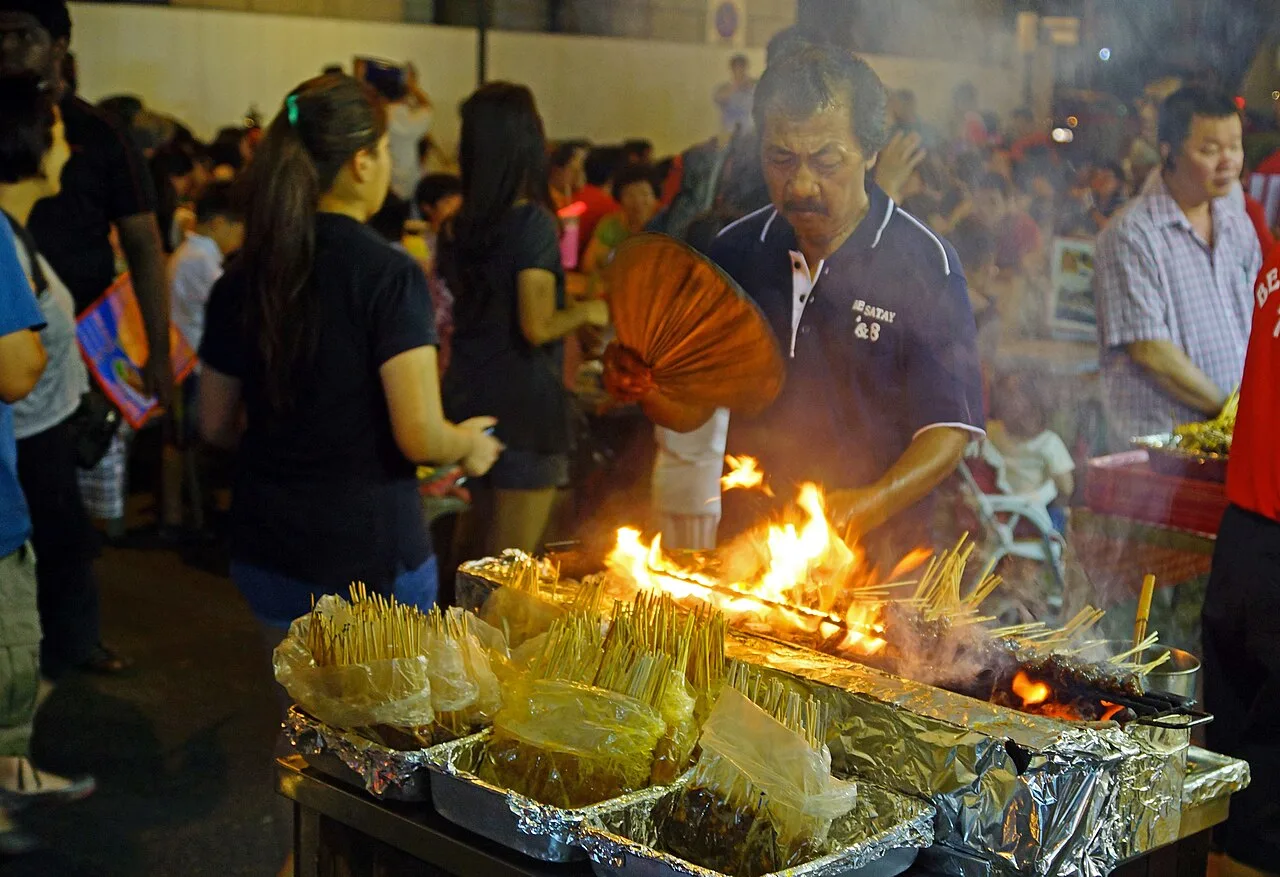
The Singapore hawker centre directory links places and helps plan around closures. NEA’s announcements list cleaning and works at the centres it covers. Stallholders choose their own hours. When planning around a specific dish, choose a centre with a backup or verify the stall directly. A site can be open even if the one stall you planned to visit is sold out.
Use the Chinatown hawker centre comparison if you are staying near Chinatown or the CBD. To choose a dish first, start with chicken rice and find a place along your route. For a group, decide where to meet before people queue at different stalls and leave room for someone to collect dishes separately. Check whether the venue expects cash or accepts your usual payment method. An alternative stall is helpful if one person has a short lunch break.
Three restaurant options for different dinner plans
For a casual central option, Song Fa lists its 11 New Bridge Road branch. Its menu is built around bak kut teh. Confirm whether the branch accepts a reservation and what the group can order before choosing it for a mixed party. Look for the exact address near your route around the river. This option makes more sense for a group that wants that dish than for a group whose dietary requirements need a broad menu.
For a Peranakan dinner, COMO Dempsey lists Candlenut with reservations. Ask about the current menu and its booking terms before planning travel to Dempsey. For a dressier Singapore-inspired menu near Marina Bay, Restaurant Labyrinth’s menu page outlines its seafood focus and dietary constraints. Its location page puts it at the Esplanade. It can suit an evening built around that area if the meal length and timetable work for your plans. Compare with the Peranakan food guide if you want a different format or a lighter meal.
Choose a second option within a short journey of the first one. If your ideal booking falls through, you can still use most of the evening. For a visiting party, first shortlist the kitchen style and the route. The Singapore Tourism Board dining guide is a starting point for more cuisines. Its restaurant guide is useful when the meal itself is the main event.
Check diets and pricing while everyone can still change the plan
Use MUIS’s establishment search to check current halal certification by outlet, and confirm the exact restaurant address. For vegetarian dining, use the vegetarian food guide and ask about ingredients such as stocks or sauces where relevant. If someone has an allergy, confirm ingredients and cross-contact procedures with the restaurant before relying on any menu label. Ask whether the relevant constraints apply to the whole table or can be handled by individual orders.
For a worked dinner budget, a menu with S$32 food per person brings four diners to S$128 before drinks and any charges. Add the cost of shared sides, tax and service where shown, then check the cancellation or deposit terms. At a hawker dinner, build the total from the dishes the group would really order and any extra transport. Compare the food cost and schedule together, especially if the cheaper meal requires a new journey.
Plan two meals without crossing the city twice
On a first waterfront day, eat earlier near a stop on the route and make the evening the larger meal if you have time. If a restaurant needs a fixed booking, check how long you have between it and a show or last train. Reverse the order when the street venue is more flexible after the event. On a neighbourhood day, keep lunch and dinner near two places you are already visiting. A food-specific trip can deliberately make a restaurant the main destination.
Before you leave, confirm the outlet, kitchen hours, any queue or reservation and whether the current menu suits your group. Use the new restaurant list when an opening is the reason for your trip. Check the actual trading date and the restaurant’s booking calendar before making it the only dinner stop.
Use the booking format to judge how much of the evening to reserve
A quick meal near the hotel is flexible when flights or meetings run late. A restaurant with a timed seating or a multi-course format needs a wider block of time. Ask how long the usual menu takes, what happens after a late arrival and whether members of the same group can order different menus. For a party with children or older adults, check seating and access at the actual outlet. A street-level venue and a room up a flight of stairs can give very different arrival experiences.
If you leave dinner to the day itself, choose two places in the same neighbourhood and save their kitchen cutoffs. Give your group a simple choice on price, the kind of food and the distance from the next stop. For a fixed anniversary or work meal, a confirmed reservation and menu are worth more than an open-ended list of popular restaurants.
Sources
- Singapore Tourism Board diningNeighbourhood and cuisine context.
- Singapore Tourism Board restaurantsRestaurants and dining formats.
- NEA hawker announcementsCleaning and temporary closure notices.
- MUIS establishment lookupVerify exact outlet certification.
- Song Fa11 New Bridge Road location and menu information.
- COMO DempseyCandlenut location and current reservation links.
- Restaurant LabyrinthSeafood menu and dietary limitations.
- Restaurant Labyrinth locationEsplanade address and access.