
Choose the airport code that serves the first part of the trip
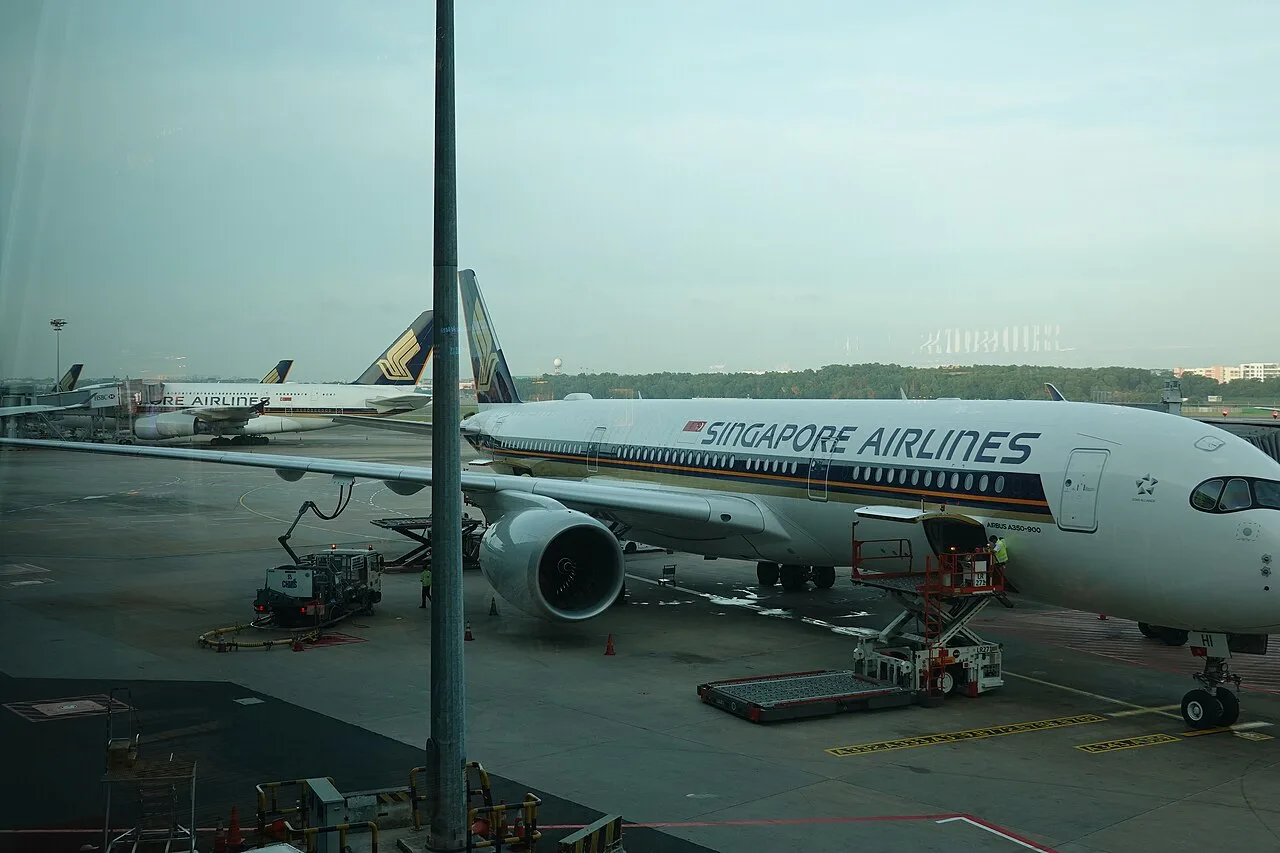
Singapore Airlines' China network guide gives representative nonstop times for several routes. Scoot's Kunming search shows how another airline may serve a regional gateway directly. Use the live airline itinerary to check which flights are nonstop, the terminal and the hour you land. Singapore and mainland China use UTC+8. Compare the actual airport codes in the outbound and return rows, particularly when a booking search shows a city group.
| Your first destination | Airports to search | What to compare next |
|---|---|---|
| Guangzhou, Foshan or the Canton Fair | Guangzhou Baiyun (CAN) | Metro from T2 or intercity rail and Gaozeng from T3. |
| Shenzhen or western Shenzhen business districts | Shenzhen Bao'an (SZX) | Line 11 and the final stop in Nanshan or Futian. |
| Shanghai or nearby eastern cities | Shanghai Pudong (PVG) | Whether an onward railway train or flight requires Hongqiao. |
| Hangzhou and Zhejiang | Hangzhou Xiaoshan (HGH) | Compare a direct flight with Shanghai plus a separate rail trip. |
| Xiamen and the southern Fujian coast | Xiamen Gaoqi (XMN) | Use the code and check the island or mainland side of your onward stop. |
| Beijing and the north | Beijing Capital (PEK) or Daxing (PKX) | Separate airport express routes and Beijing railway stations. |
| Chengdu, Chongqing and Sichuan | Chengdu Tianfu (TFU) or Chongqing Jiangbei (CKG) | Start at the city that matches the first part of your trip. |
| Yunnan | Kunming Changshui (KMG) | Confirm your second airport or rail station for Dali, Lijiang or another city. |
| Harbin or the northeast | Harbin Taiping (HRB) as a destination search | Check connection dates, airports and the final winter transfer. |
Plan a multi-city route before buying a return to the same airport
For a trip through Sichuan and Chongqing, compare SIN–TFU followed by CKG–SIN with a Chengdu round trip plus a train back from Chongqing. For Guangzhou and Shenzhen, check your dates for a separate return from SZX or reverse the route. A booking that returns from the last city avoids a separate intercity segment, but compare the price after baggage, seats and change terms on both flight legs.
For example, suppose a same-airport return costs S$480 and the trip needs an additional S$85 for rail and airport transfers back to the first city. The comparable total is S$565 before any extra hotel night. A S$525 multi-city itinerary is S$40 less on those assumptions. Check published quotes for your own dates and include the hours it takes to return. If you want a final day in your first city anyway, the round trip may fit better. Build the air searches after placing your hotel nights on the route.
Choose between adjacent southern gateways by the rest of the route
For the Canton Fair or a first hotel in Guangzhou, the Guangzhou guide describes the current T2 and T3 access. For Shenzhen's Nanshan or Futian, the Shenzhen guide covers the airport metro and city rail stations. If making both cities part of the trip, check the train or coach you will actually take between them, then choose the return airport nearer the final night. For a trip into Hong Kong next, start by comparing a West Kowloon train from the station you can reach with a coach that stops near the final address.
For the southeast coast, the Xiamen guide describes the gateway transfer and which side of the city you need for the next leg. For an itinerary that is mainly Zhejiang, use the Hangzhou guide to check the final hotel or rail connection. These routes can save a transfer through bigger hubs if they serve your dates. Recheck the actual fares and flight times before choosing a longer route for a small price difference.
Use the first day's destination to pick an eastern gateway
For a trip centred on West Lake and Zhejiang, price a nonstop to Hangzhou first and add the arrival transfer to the exact hotel. An arrival through Shanghai may make sense when you will already spend nights there. If you fly to Pudong and continue directly by train from Shanghai Hongqiao, include separate trip stages and station access. Shanghai's airport guide gives about 40 minutes on its Airport Link Line between Pudong and Hongqiao. Count baggage, a train wait, the walk into Hongqiao railway station and national rail boarding separately.
For Beijing, choose Capital or Daxing by the route to your hotel or onward train. For Beijing plus the northeast, check a domestic flight from your arrival airport and a separate rail service from the station named on the ticket. For a Harbin ice festival trip, use the Harbin flight guide to price the last airport or railway-to-hotel leg for your dates. The fastest connection on a flight comparison tool may arrive after the transfer option you were relying on.
Choose a southwest gateway that avoids a visit to the wrong airport
For a Chengdu and Chongqing itinerary, decide which city you want on the first morning. The Chengdu arrival guide starts at Tianfu and distinguishes the airport railway from metro and the Shuangliu connection. The Chongqing arrival guide covers Jiangbei and the city's different rail stations. Search the airport and the next train as separate journeys. A general address such as Chengdu Railway Station does not identify a booked departure if your ticket is from Chengdu East.
For a Yunnan route through several locations, plan the order of stays before choosing air travel. If the first stop is Kunming, the Kunming flight guide covers the airport transfer. The Yunnan itinerary guide helps match the gateway with onward destinations. Decide whether you have time to leave the airport for a train on the first day. On a late arrival, one night near the first useful departure station can be easier than committing to a train you might only reach after a long wait for bags.
Book a mainland train with the station name and identity document
China Railway 12306 is the official ticketing service. Its English service explains valid travel documents and booking rules. Enter the exact station name, correct date, and legal passenger details matching the document used for the trip. Keep the original document for station entry and boarding. Beijing's 2025 ticketing guide explains airport-side and city rail booking contacts and identity checks. Check whether an account needs verification before counting on instant purchase during a connection.
Read the train arrival city and station as carefully as the departure. A cheaper train can arrive on a different side of the city and mean another lengthy ride. Look at both ends on the map to see where the savings go. Give yourself time to walk to the departure hall, clear security and reach the gate. Compare the rebooking terms before purchasing a train for soon after an independently purchased inbound flight.
Measure time at the onward platform rather than airport departure
Suppose your first flight arrives at 15:00, with 55 minutes to clear arrivals, 15 minutes to reach the airport train and 40 minutes across to another terminal or rail hub. That is 16:50 before the final walk, a possible queue or any transfer security. A 17:20 booked train or flight may leave too little time, especially if its gate closes before departure. Weigh a flexible onward ticket, a longer connection or a night at the hub against the cost of replacing the reservation and losing a hotel booking.
On the final day, use the exact hotel, work location or station you will start from. A rail pass, an airline itinerary and an airport coach booking may each use different station naming. Record the time you should be at the check-in area and split the travel into the wait, ride, walk and screening. A plan that works only if every independently booked service runs on time needs a later departure or a workable substitute.
Plan a same-airport connection and a usable way to pay
When a flight listing includes a domestic leg, check whether both are on the same ticket and where passport checks and baggage handling take place. Ask the carrier whether you need to collect or recheck a bag along the route. Through-tagging arrangements depend on the airport, carrier and booking. For a self-transfer, verify the terminal change and add a recheck deadline to your schedule. In Shanghai, PVG and SHA are different airports. In Beijing, PEK and PKX are separate. A same-airport booking with more time at one terminal may be easier to complete.
Save your first hotel's Chinese address and the route to it so you can open both without mobile data. The People's Bank of China payment guide covers mobile payment, cards and cash for overseas visitors. Check your intended transport provider's accepted methods and carry an alternative. If a route arrives after public transport, use a designated airport taxi or verified hotel arrangement and confirm what the quote covers.
Check official arrival instructions for the trip you booked
Use Singapore MFA's China travel guidance and the relevant authority for current instructions for your nationality, travel document and itinerary. The Chinese Embassy in Singapore links to the official online arrival card and describes the alternatives and exemptions. Save the first accommodation, flight and contact details before departure. If your route also includes Hong Kong or Macao, check the applicable border and onward carrier instructions for each crossing.
Keep a copy of each airline's change instructions and the first ground provider's contact details with the arrival information, especially if family members bought tickets on separate bookings.
Sources
- Singapore Airlines China flight networkVerified nonstop destinations and representative durations.
- Scoot Singapore–Kunming bookingCarrier route search for the Yunnan gateway.
- Shanghai airport transport guidePudong and Hongqiao transfer options.
- China Railway 12306 FAQOfficial ticketing, ID and booking guidance.
- Beijing foreign traveller rail ticket guideRail ticketing and ID checks.
- China payment services guidePayment methods for overseas visitors.
- Singapore MFA China travel guidanceCurrent official notices and preparation.
- Chinese Embassy arrival card instructionsOfficial filing channels and eligibility guidance.